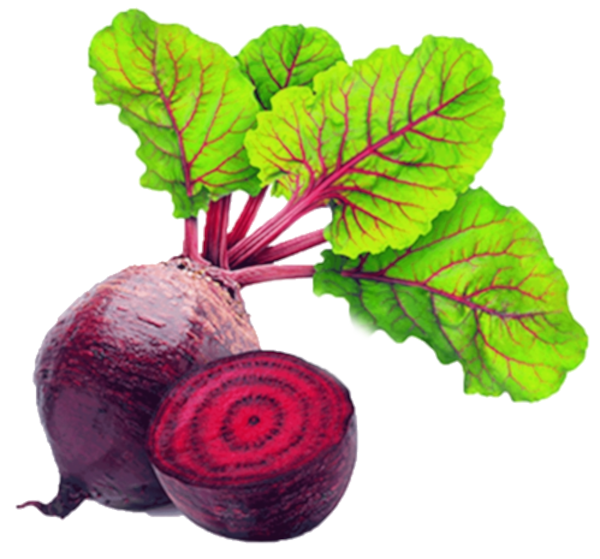
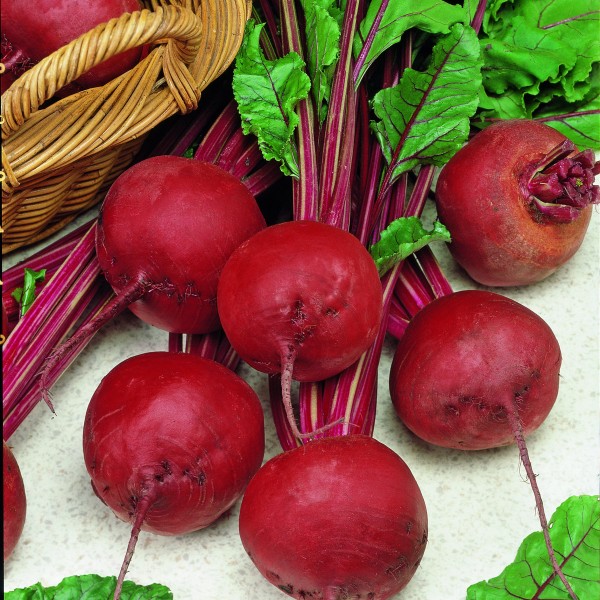
A very good choice for exhibiting. Uniform shape, ring free flesh.
This is where we put the results from the harvest and leave a niote regarding next year
Ancient Greeks cultivated beetroot around 300 BC. They didn't use the roots of the plant they only ate the leaves. Romans on the other hand only ate roots but mainly for medicinal purposes. They used it as a laxative or to cure fever.
An old variant of beetroot was long and thin perhaps not to dissimilar to today's exhibitor variety. The ones, as we know it today, appeared in 16th and 17th century Europe. It needed a few hundred years more to become popular in Central and Eastern Europe.
Today, the most common variant of beetroot is round and deep red, but they can also be yellow, white, and even red and white.
Beetroot can be eaten raw and shredded into a salad (alone or with other vegetables), boiled, cooked, pickled, or cold as a salad after cooking.
There are three types, the popular globe, the less common cylindrical and the exhibitor which is long.
Sow small batches of beetroot (Beta vulgaris) regularly from spring through to mid-summer, for continuous harvests from early summer to mid-autumn. Late harvests can be stored for winter use, so you can enjoy home-grown beetroot almost all year round. Ready in as little as 40 days (though usually between 50 and 60), the roots can be harvested any time from the size of a golf ball up to a cricket ball, but don’t let them get much bigger or they may turn woody.
Pull out roots of globe varieties as required. Twist off leaves if required (do not cut). Roots grown for storage should be lifted in October. Shake off soil and discard any damaged roots. Place the roots between layers of dry peat in a box and store in a shed. They will keep until March.
Beetroot mainly consist of water (87%), (8%), and fibre (2–3%).
100 grams of raw beetroot boasts the following nutrients:
Raw or cooked beetroot offers about 8–10% carbs.
Simple sugars — such as glucose and fructose — make up 70% and 80% of the carbs in raw and cooked beetroots, respectively.
FibreBeetroots are high in fibre, providing about 2–3 grams in each 100-gram raw serving.
Beetroots are a great source of many essential vitamins and minerals.
There is no need to peel beetroot as its skin acts as a protective layer during cooking and helps keeping both the colour and nutrients in the beetroot. Once beets are cooked, the skin removal will be so much easier too.
Young, bunched beetroot with greens still attached as it's the sweetest there is and the leaves can be used in a similar way you would use spinach or chard so there is no waste whatsoever and it is perfect for eating raw in smoothies and salads.
Beetroot easily cooks up in a variety of ways. Steaming beetroot preserves valuable nutrients and is a pretty hands-off method. Boiling is one of the most common ways to cook beetroot, which is handy for creating cooked beets for other recipes. Roasting is one of the best methods for allowing beetroot's natural sweetness to shine. Whichever method you choose, you'll be sure to find a method that creates deliciously cooked beetroot.
The colourful young leaves can be picked fresh and used in salads, and mature leaves can be wilted and used like spinach.
-----------------------------------------------------------------------------------------------------------------------------------------------------------------------------------------------------------------------------------------------
| Jan | Feb | Mar | Apr | May | Jun | Jul | Aug | Sep | Oct | Nov | Dec | |
|---|---|---|---|---|---|---|---|---|---|---|---|---|
| Sow | yes | yes | yes | yes | ||||||||
| Plant | yes | yes | yes | |||||||||
| Harvest | yes | yes | yes | yes | yes |